July 24, 2026
The roof of a commercial building plays a vital role in protecting the structure, its contents, and its occupants from the elements. Quality roofing services are essential to ensure both the structural integrity and aesthetic appeal of commercial properties. Understanding the nuances involved can help businesses make informed decisions and select reliable contractors to maintain their property's value and functionality.
Commercial roofing goes beyond mere installation or repairs; it encompasses a series of well-coordinated steps that ensure longevity, efficiency, and visual harmony. Properly executed roofing services can significantly enhance the lifespan of a building. Therefore, choosing an experienced contractor is crucial for businesses looking for a reliable commercial roofing service.
Initial Consulting and Assessing
Initial consultations are pivotal in tailoring a commercial roofing service to meet the specific needs of clients. Contractors engage with clients to understand their priorities, budget, and any particular concerns they might have, setting the foundation for a collaborative relationship. Creating an open dialogue allows clients to voice concerns, while an experienced contractor takes this opportunity to educate the client on different material options, advantages, and potential challenges. Skilled specialists prioritize this initial phase to eliminate future scope alterations.
Following the initial discussion, a comprehensive site inspection is conducted to assess the current state of the commercial roof. A thorough inspection involves evaluating the overall condition, identifying any damages, checking for structural vulnerabilities, and taking detailed measurements. This critical analysis uncovers both visible and hidden issues, such as water damage or structural weaknesses, ensuring the site is secure for subsequent phases of labor. Advanced diagnostics often help reveal moisture infiltration within subsurface structural layers.
After the site inspection, roofing contractors compile a comprehensive report detailing the state of the roof and any necessary actions. This report includes a summary of findings, photographs, recommendations for repairs or replacements, and potential options for upgrading the roofing system. It provides transparency and helps clients understand the scope of work required, which is indispensable in a market where, according to Forbes, over 5 million new roofs are installed each year. These extensive reports offer facility administrators clear photographic evidence needed for asset oversight.
Designing and Planning
Custom design solutions are vital for addressing the unique requirements of each commercial roofing project, balancing functional objectives with the aesthetic preferences of the client. The design phase explores possibilities for enhancements such as energy efficiency improvements, innovative drainage systems, or sustainable practices like green roofing. By adapting to unique geographical and climatic conditions, customized designs offer superior resilience against environmental hazards. Specialized designers draft exact structural parameters to match the property architecture perfectly.
Material selection is a crucial step in the design process that directly influences the durability, aesthetics, and overall performance of the roof. Contractors offer a variety of material options, such as asphalt shingles, metal, tile, and single-ply membranes, each with distinct advantages and drawbacks. Choosing the right materials involves careful consideration of climate conditions, building architecture, roof slope, and the client's allocated budget. Dedicated procurement networks ensure these high-grade materials remain constantly available.
Scheduling and timeline management are pivotal components of project planning, directly impacting the project's completion time and overall feasibility. Proper timeline management minimizes disruptions to daily business operations, ensuring that projects are delivered within agreed timeframes. Additionally, adhering to local building codes and regulations ensures that the commercial roofing service meets all safety, performance, and sustainability standards set by regulatory bodies. Precise project milestones keep multiple trades working in absolute harmony.
Installing and Replacing
Project mobilization is the initial step in the execution phase of roofing installation or replacement, where all necessary logistics are put in place. This phase involves deploying resources, scheduling workers, and ensuring the availability of materials and equipment on-site. Effective mobilization is essential for a smooth project onset, minimizing disruptions and preventing early-stage delays through organized site setup and waste management infrastructure. Secure equipment staging protects sensitive corporate landscapes during early development.
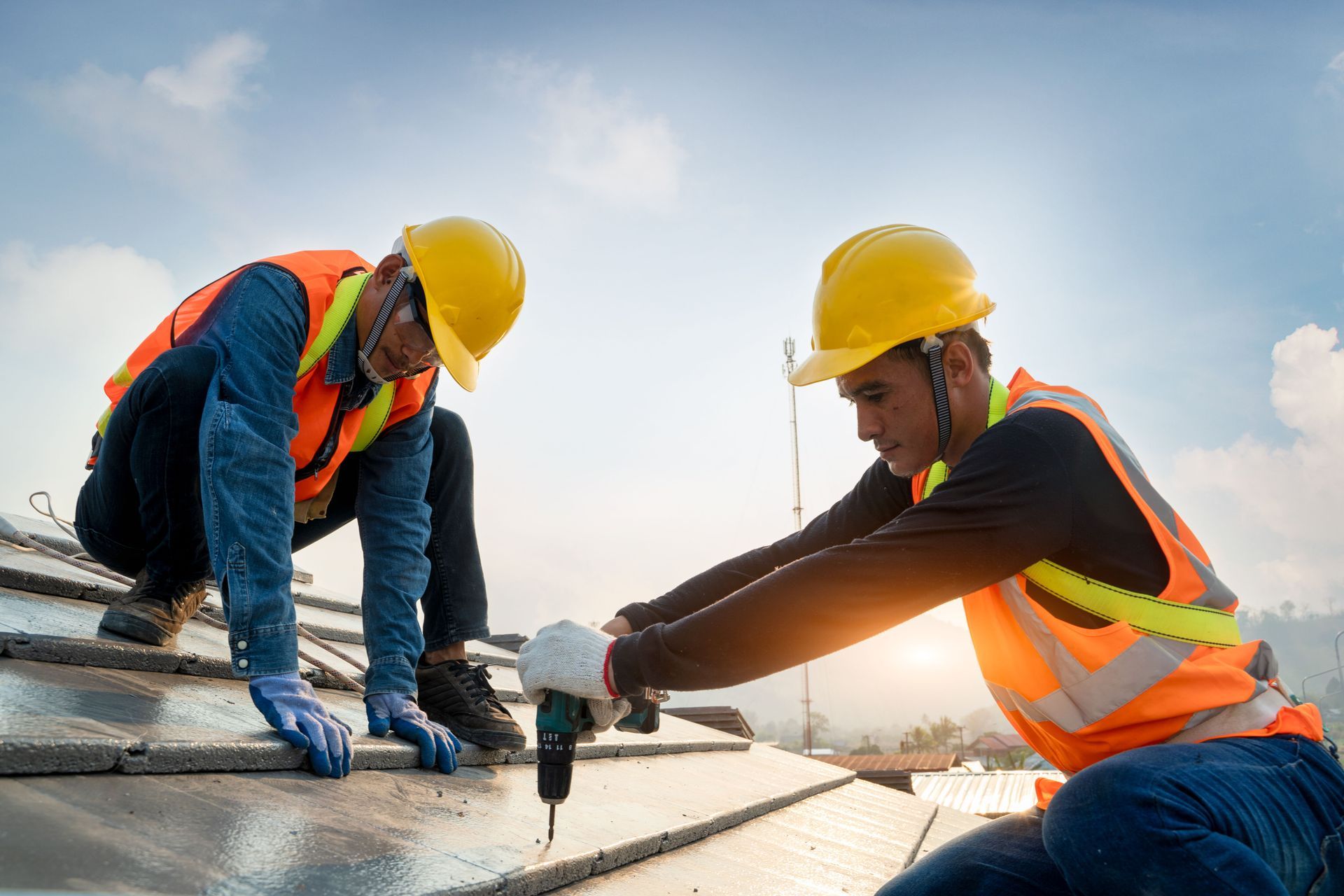
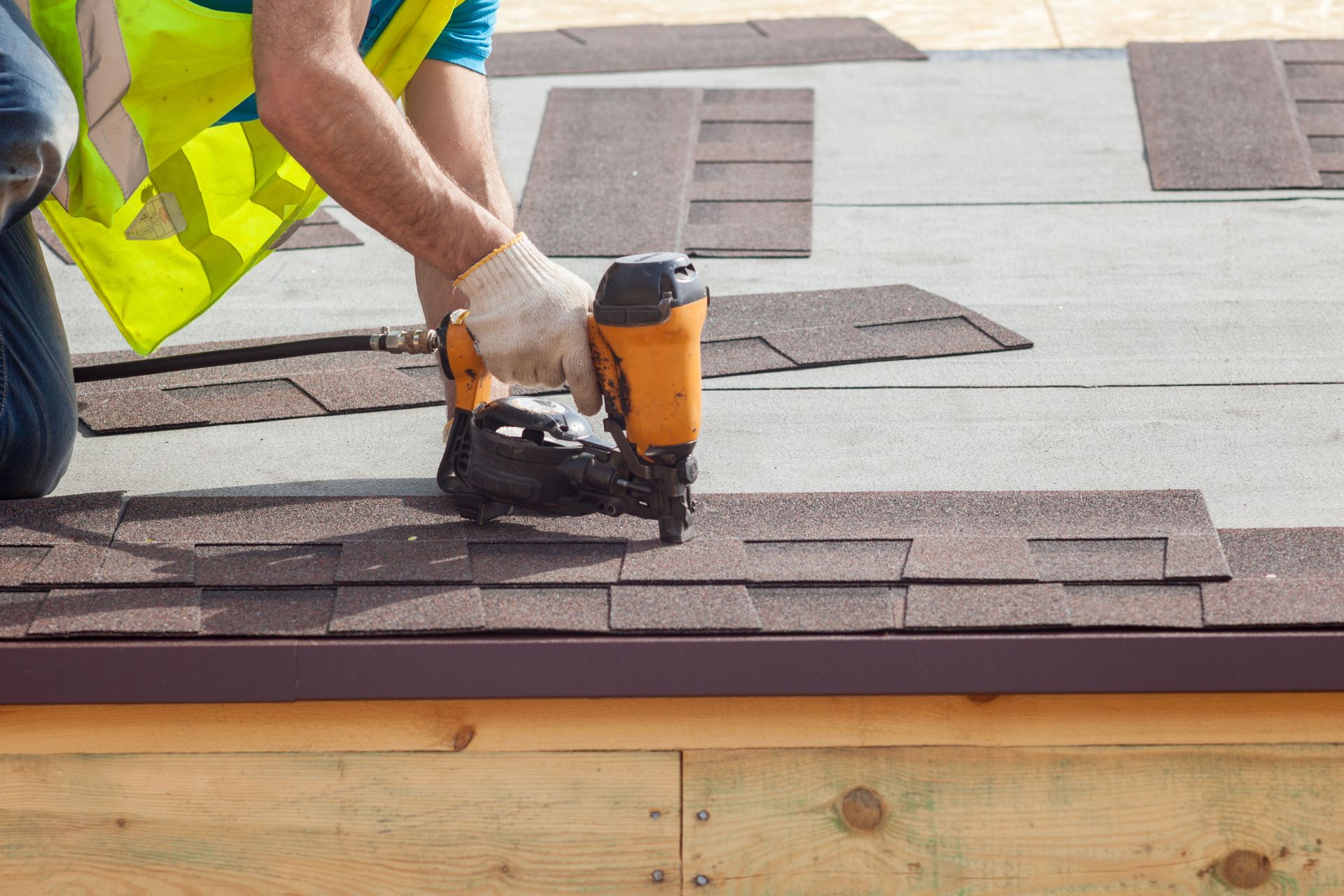
The step-by-step installation process is meticulously executed by the commercial roofing service to ensure the roof is assembled with precision and expertise. Initially, the existing roof is prepared, which may involve removing old material, cleaning the surface, and addressing structural repairs. Next, the underlayment is installed to protect against moisture, followed by the precise application of the primary roofing materials. Qualified technicians follow multi-layered substrate blueprints to establish optimal weatherproofing barriers across intersections.
Quality control and safety management are strictly maintained throughout the entire installation and replacement phase. Contractors implement rigorous safety protocols to protect workers, building occupants, and the property itself from accidents. Regular inspections during the installation process guarantee that the workmanship adheres to manufacturer specifications and industry best practices, ensuring a durable and compliant final product. Modern advanced safety measures secure the entire perimeter and safeguard the facility assets underneath.
Maintaining and Inspecting
Routine maintenance programs are essential for preserving the lifespan of a commercial roof and maximizing the client's investment. A proactive maintenance schedule involves regular cleanings, clearing drainage systems, and addressing minor wear and tear before it escalates into costly damage. Implementing a structured upkeep routine allows businesses to avoid unexpected operational disruptions and extend the overall utility of the roofing system. Proactive adjustments protect delicate membranes against accelerated deterioration from seasonal UV exposure.
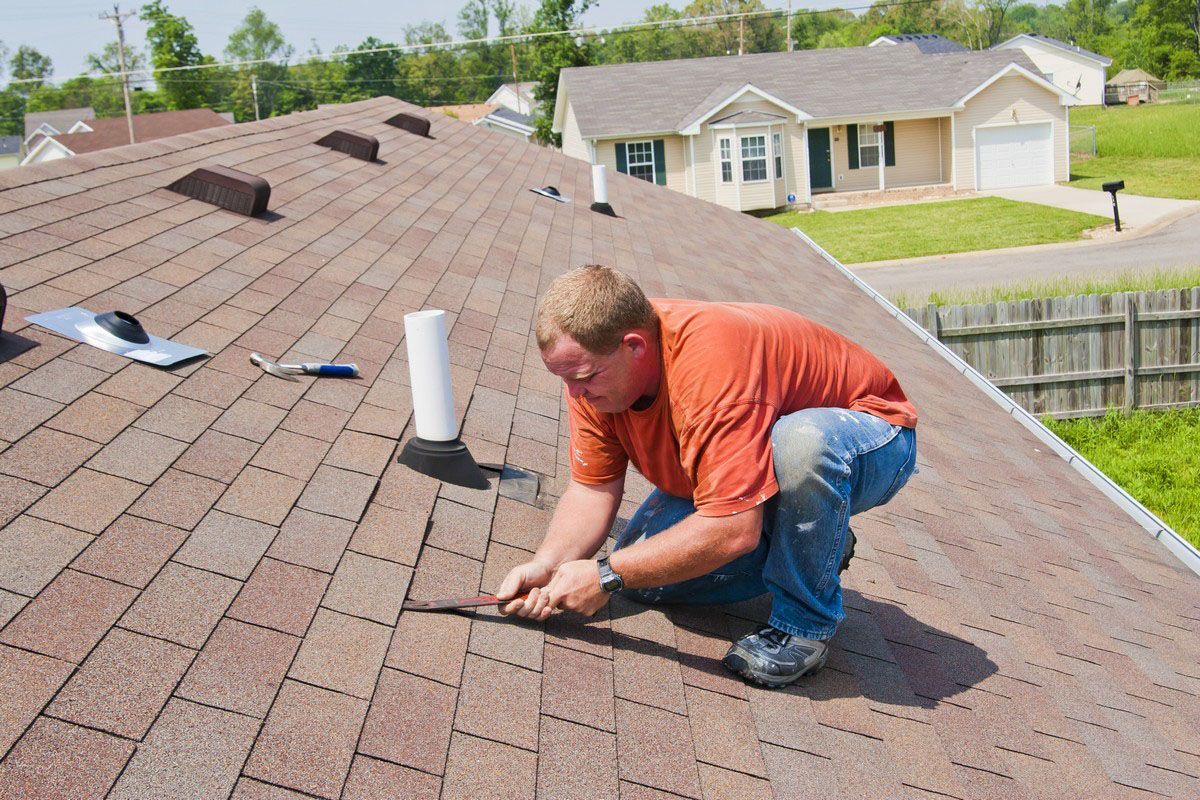
Scheduled inspections by a professional commercial roofing service should be conducted at least twice a year, typically in the spring and fall. These periodic evaluations help identify potential issues caused by seasonal weather extremes, such as thermal expansion or debris accumulation. Specialized inspectors evaluate flashing, seams, and joint seals, providing detailed documentation to track the roof's condition over time. Comprehensive records aid property managers when planning long-term capital improvement projects.
Emergency repair services offer critical support when unexpected severe weather or structural failures threaten the integrity of a commercial building. Prompt response times and efficient problem-solving minimize internal water damage and protect valuable business assets. Having a reliable contractor available for emergency interventions provides business owners with peace of mind during catastrophic weather events. Rapid response crews remain deployed with specialized emergency equipment to handle immediate structural stabilization.
Concluding and Supporting
Post-service support and comprehensive warranties are the final components of a professional commercial roofing service, offering long-term protection and security for clients. Contractors provide close-out documentation, including warranty certificates, operation manuals for specialized roofing components, and maintenance guidelines. A strong warranty guarantees that any unforeseen installation defects or material failures will be addressed promptly without additional financial burden.
Final inspections and project sign-offs ensure that every aspect of the roofing project has been executed to the client's satisfaction and meets all industry standards. Clients walk through the completed project with the contractor to verify that the scope of work has been fully realized. This final verification establishes accountability, answers any remaining client operational questions, and cements a relationship built on trust, transparency, and high-quality workmanship. Dedicated follow-up reviews are routinely arranged to review real-world structural performance over subsequent seasons.
Investing in a professional commercial roofing service ensures the long-term safety, efficiency, and value of your commercial property. From the initial consultation to the final sign-off, choosing the right team guarantees a seamless experience and a robust roofing system built to last. For more information about the services that we offer, reach out to our incredible team at Mr. Roof today!